
Delay as a Political Danger
Common SenseThis flow follows Paine’s transformation of delay from a seemingly cautious posture into a threat to liberty and future generations.
increasing Bearing strength in each event
 decreasing
Bearing strength in each eventdecreasingWaiting for Better Timing
Waiting for Better Timing
The Promise of Later
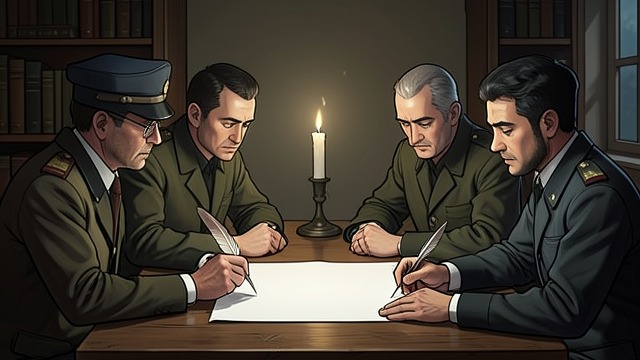
Some argue that a more populous America will be better prepared to separate in the future. Waiting appears to offer strength without immediate risk.
Paine’s Reversal
Paine argues that later generations may inherit population without military experience or political unity. Delay can weaken the very capacity it claims to build.
A Narrow Opportunity
A Narrow Opportunity
Experience and Numbers
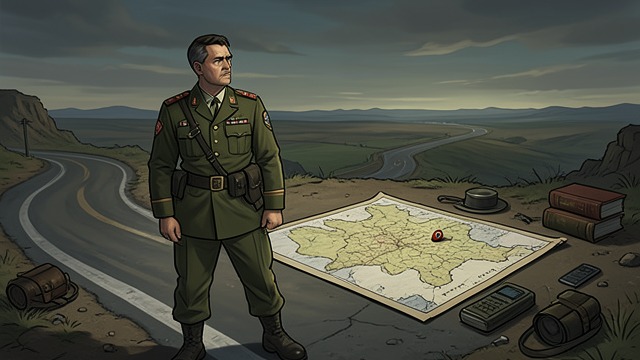
Paine compares the military experience left by the recent war with the population America may gain later. He argues that the present combines useful experience with sufficient numbers.
Timing Becomes Urgent
The argument makes the present moment a strategic opening rather than a temporary inconvenience. Waiting risks losing conditions that may not return.
The Political Vacuum Widens
The Political Vacuum Widens
Authority Without a Constitution
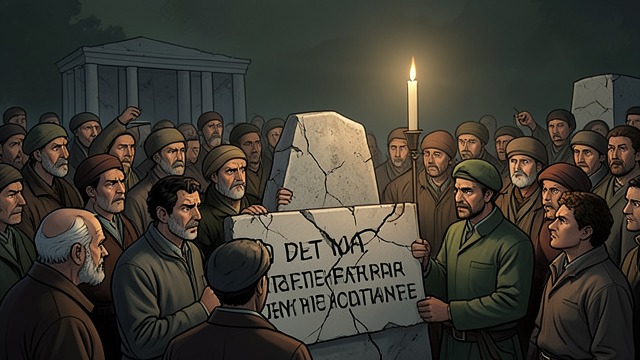
Paine portrays the colonies as legislating without settled law and resisting Britain without a named constitutional order. Their political situation is unstable.
Enemies Exploit Uncertainty
Without clear rules, faction and misinformation can weaken cooperation. Delay leaves the public exposed to forces seeking to divide the continent.
Other Forces May Decide
Other Forces May Decide
Three Possible Routes
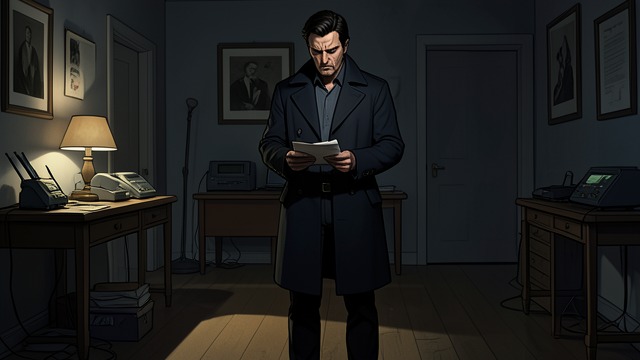
Paine imagines independence emerging through a lawful public declaration, military power, or a mob. Only the first offers the best chance to create a carefully ordered constitution.
Loss of Control
If leaders delay, events may transfer authority to less accountable actors. The danger is not only losing independence but losing the ability to shape it.
Action Before the Window Closes
Action Before the Window Closes
A Choice Made by the Present
Paine urges the colonies to begin constitutional work while they still have the opportunity. Delay would hand the unfinished task to people facing worse conditions.
Responsibility to Posterity
The demand for action is framed as an obligation to future generations. Present hesitation could leave them conflict, debt, and political disorder without the benefit of a settlement.
As colonists debate when independence is possible
During the comparison of present and future readiness
As Paine describes America’s unsettled government
As Paine warns of alternative paths to independence
At the close of Paine’s warning about delay
